 Spotify
 iVoox
iVoox Amazon
I began this book with a simple but urgent question: what kind of buildings will our children inherit? Passive House Design & Construction is my answer. It’s the first volume in a series committed to rethinking how we design, build, and inhabit residential space in an era of accelerating climate and energy instability.
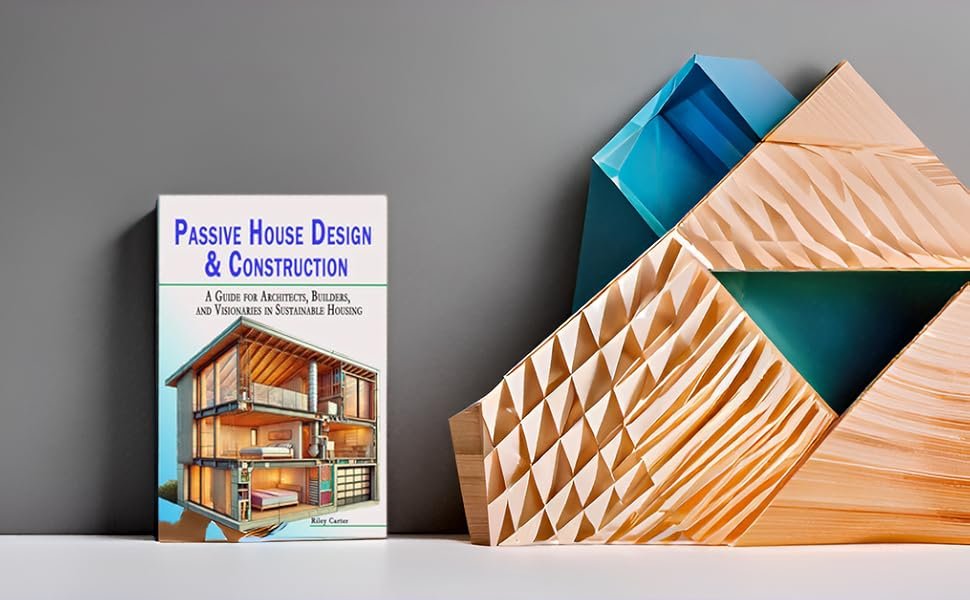
Integrating Design, Science, and Sustainability
This book is structured to move from first principles to advanced practice. I start with the five foundational pillars of passive design: airtightness, superinsulation, thermal bridge mitigation, heat recovery ventilation, and passive solar strategies. Each is examined not in isolation, but in context—how these elements work together to create a resilient building envelope.
We then dive into energy modeling, construction sequencing, and materials innovation. I highlight emerging tools like AI-assisted modeling and prefabrication workflows that are reshaping how passive homes are designed and delivered. Real-world case studies—ranging from retrofitted ranch homes to urban multifamily buildings—ground the theory in lived practice.
Too many “green” buildings fail quietly—underperforming despite best intentions. I wrote this book to bridge the persistent gap between sustainability ideals and construction realities. It’s a field manual for architects, builders, and planners who want to align design ambition with building science, regulatory shifts, and economic feasibility.
We don’t need perfect buildings—we need better buildings, at scale. Passive House Design & Construction is both a technical blueprint and a call to action: to design for resilience, to build with foresight, and to leave behind structures that serve future generations as well as they serve us today.
Riley Carter.