 Spotify
 iVoox
iVoox Amazon
What Most Designers Overlook
Passive House design is often associated with superior performance—airtightness, energy efficiency, and thermal comfort. But there’s a growing issue that many architects, builders, and even homeowners underestimate:
Fire safety in passive buildings is not automatically improved—and in some cases, it can be more complex.
Understanding the real risks—and how standards like NFPA apply—is essential if we want truly resilient buildings.
The Hidden Conflict: Energy Efficiency vs Fire Safety
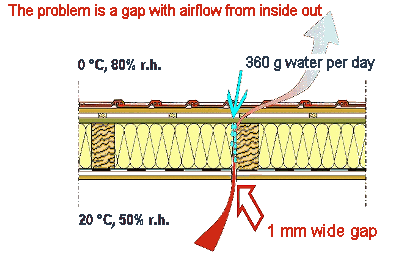

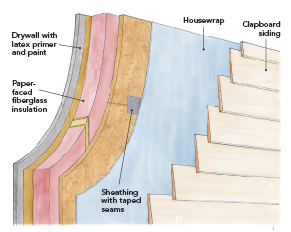
Passive House construction prioritizes:
- Airtight envelopes
- Continuous insulation
- Elimination of thermal bridges
But these same features introduce new fire dynamics.
According to the NFPA research report, many “green” building attributes—especially insulation systems and façade assemblies—can increase fire risk if not properly addressed.
Why?
- Fire can spread inside concealed cavities
- Combustible insulation may accelerate flame propagation
- Airtight construction can trap heat and smoke
In practice, I’ve seen projects where teams focus heavily on airtightness targets, while fire safety is treated as a compliance checkbox rather than a design driver.
Key Fire Risks in Passive House Buildings
1. Combustible Insulation Systems

Many passive houses rely on:
- EPS (expanded polystyrene)
- XPS
- Polyisocyanurate
While efficient, these materials can:
- Ignite under high heat
- Contribute to rapid fire spread
- Produce toxic smoke
The NFPA report identifies insulation as one of the primary contributors to fire hazard in sustainable buildings.
The misconception is simple: “Energy-efficient materials are inherently safer.” That is not always true.
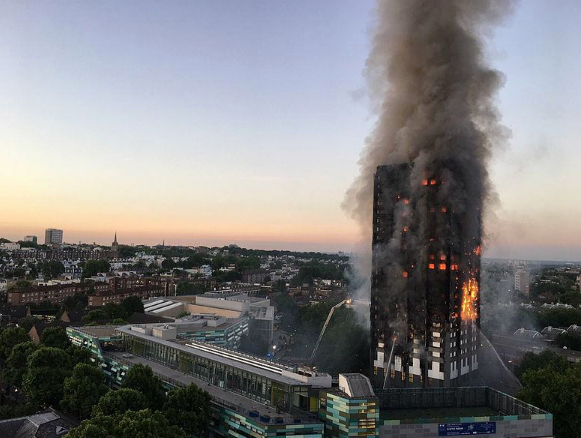
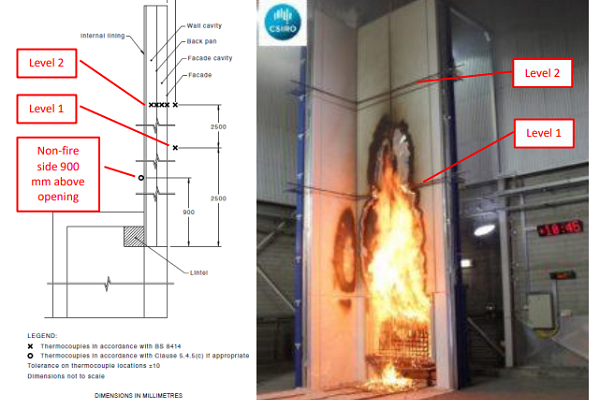
2. Façade Fire Spread (NFPA 285 Relevance)


Passive houses often use thick exterior insulation and layered façade systems.
This directly ties into NFPA 285, which evaluates:
- Vertical flame spread
- Fire movement across floors
- Window-to-wall fire propagation
Critical insight: A façade that performs thermally can still fail catastrophically in a fire scenario.
In real projects, façade detailing is often optimized for:
- Airtightness
- Moisture control
But not always for:
- Fire compartmentation
- Flame barriers
3. Airtightness and Smoke Behavior
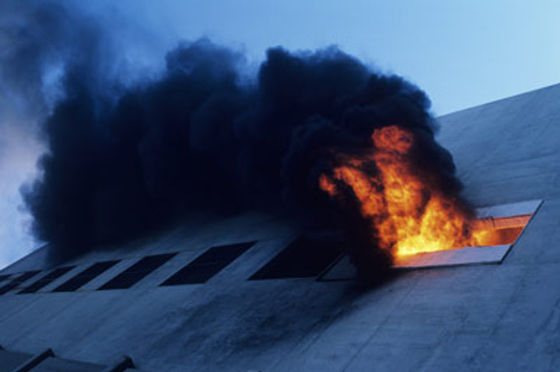
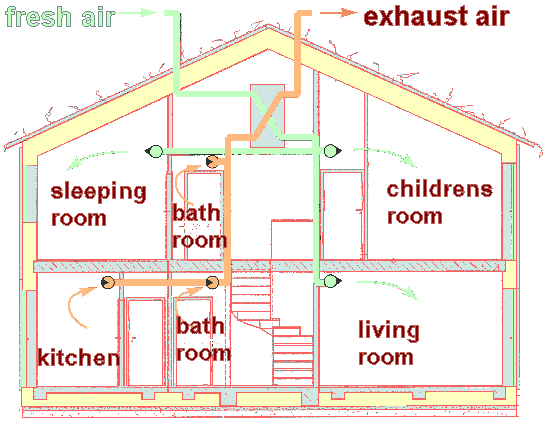
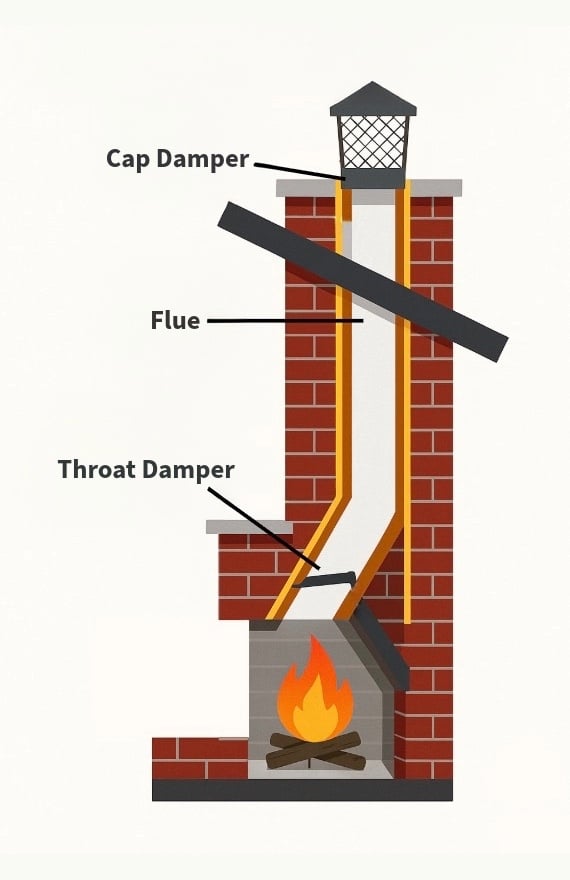
Airtight buildings behave differently during a fire:
- Smoke may accumulate faster
- Pressure differences can change fire dynamics
- Ventilation systems can redistribute smoke
The NFPA research highlights that building systems—including ventilation—can introduce unexpected fire behavior if not integrated properly.
This is something rarely discussed in Passive House circles, but it should be.
4. New Technologies: PV Systems and Energy Storage
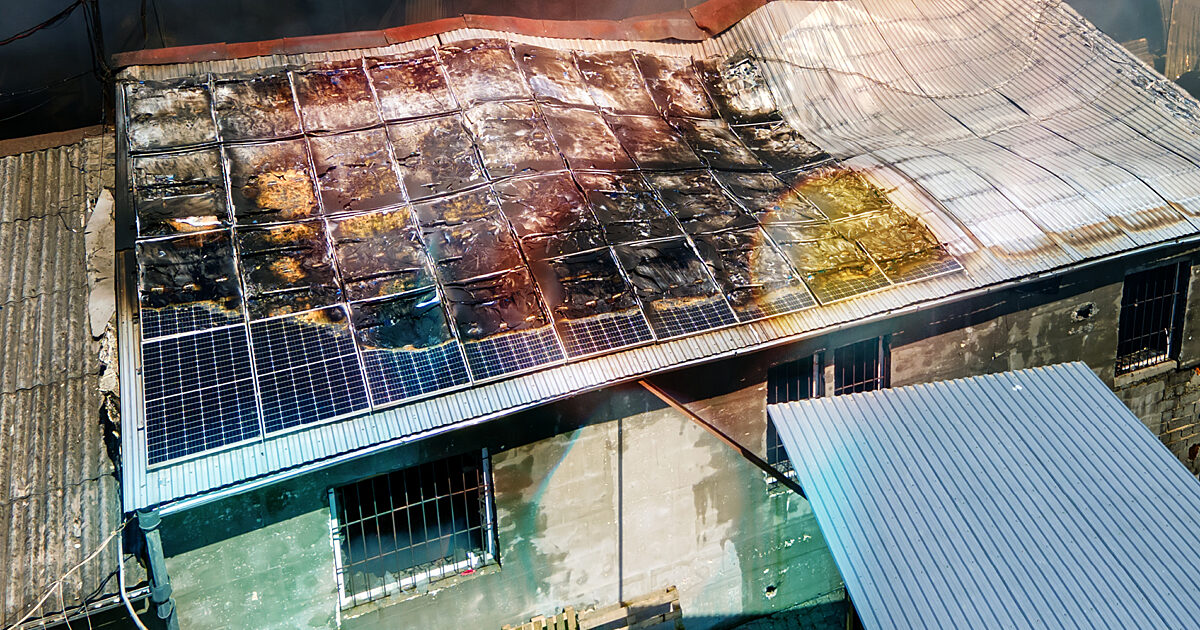


Passive homes frequently include:
- Solar panels (PV)
- Battery storage systems
These introduce:
- New ignition sources
- Electrical fire risks
- Firefighter safety challenges
NFPA data shows increasing fire incidents linked to PV systems, though reporting is still limited.
Why Fire Safety Is Often Overlooked in Passive House Design
From experience, there’s a recurring pattern:
- Teams prioritize energy modeling results
- Certification targets dominate decision-making
- Fire safety is addressed late in the process
The NFPA explicitly states that fire safety is often:
“considered relatively late in the design process”
That’s the real issue—not the materials themselves, but when decisions are made.
How NFPA Standards Apply to Passive Houses
Passive House is not a fire safety code.
That role belongs to:
- NFPA standards
- Building codes (IRC, IBC)
Key NFPA Concepts Relevant to Passive Houses
1. NFPA 13 / Sprinkler Systems
- Critical for limiting fire growth
- Reduce both life safety risk and environmental damage
2. NFPA 285 (Façade Systems)
- Essential when using combustible exterior assemblies
- Often triggered in multi-story buildings
3. NFPA Fire Data & Research
- Highlights gaps in testing methods
- Highlights gaps in real-world performance
- Highlights gaps in fire incident tracking
Important takeaway: Compliance with Passive House does not guarantee compliance with fire safety best practices.
Practical Fire Safety Strategies for Passive House Projects
Design Phase (Most Critical)
- Integrate fire safety from day one
- Avoid treating it as a final compliance step
Material Selection
- Favor non-combustible insulation where possible (for example, mineral wool)
- Carefully evaluate façade assemblies
Compartmentation
- Maintain clear fire barriers despite airtight layers
- Avoid continuous concealed cavities
Mechanical Systems
- Design ventilation systems to prevent smoke spread
- Include shut-off strategies during fire
Fire Protection Systems
- Consider sprinklers even when not mandated
- Improve detection and alarm systems
Toward Safer Passive Houses: The SAFR Approach
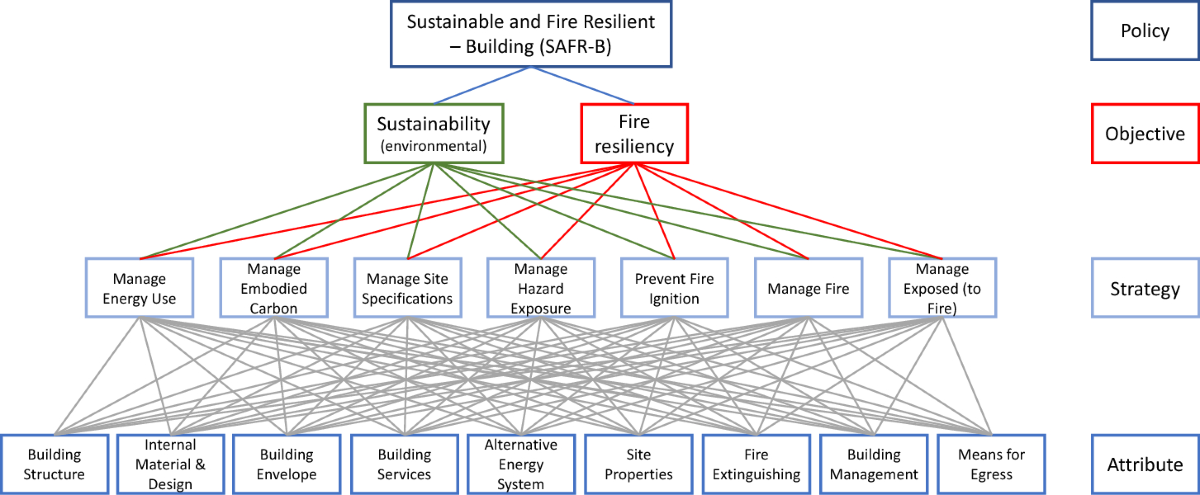


The NFPA introduces a critical concept:
SAFR = Sustainable AND Fire Resilient buildings
Because:
A building is not truly sustainable if it burns down.
This aligns directly with what many professionals are starting to realize:
Energy efficiency without fire resilience is incomplete design.
Final Thoughts: Awareness Is the Real Gap
Passive House is one of the most advanced building standards we have—but it was never meant to address fire safety.
That responsibility still lies with:
- Codes
- Standards
- Designers who understand both worlds
The real challenge isn’t just technical—it’s cultural.
We need to shift from:
- “Does it meet energy targets?”
To:
- “Is it safe under real fire conditions?”
Author: Daniel H. Krohn